SEO for manufacturers: get found on Google and cited by AI
SEO for manufacturers: how to get found on Google and cited by ChatGPT and AI Overviews, starting from the data sheets and cases you already have.
· 3 min read
SEO for manufacturers means making your product and application pages easy to find on Google and easy to cite when a buyer asks ChatGPT, Gemini or Google’s AI Overviews which supplier to choose. Both start from the same material you already have: technical data sheets, applications and numbers you can prove.
A buyer looking for a supplier can now start with a question to an AI assistant rather than a list of links. If your site does not answer clearly, the answer will be about your competitors. When I checked the top US results for “manufacturing SEO” in September 2026, I found a supplier directory, software vendors and American agencies, and not a single European manufacturer.
What is the difference between SEO and GEO?
SEO works on where a page ranks. GEO, generative engine optimization, works on how likely an AI engine is to use that page as a source for its answer. The term comes from a study presented at KDD 2024, which found that optimised pages can be up to 40% more visible in generated answers.
They are not two separate jobs. Google says there are no additional requirements or special optimisations needed to appear in AI Overviews or AI Mode: good SEO practice applies. GEO adds extra care for how a page is read, understood, checked and cited.
What do AI engines look for before citing a manufacturer?
AI assistants reward the same things that convince a technical buyer. For an industrial company, that means six things:
- Titles that answer a real question: “High-pressure LPG valves”, not just “Products”.
- The answer in the first lines: what the product does, for which application, within which limits.
- Your customers’ questions: collect them from sales and engineering, they are the same ones people type into AI tools.
- Proof: certifications, technical data, application cases with real numbers.
- A clear identity: name, business and markets described the same way everywhere, including the page’s structured data.
- Consistency: website, LinkedIn, catalogues and distributor listings should tell the same story.
Industrial SEO starts with your data sheets
Most manufacturers already have the material they need, locked inside PDFs. For Cavagna Group I produced 70 catalogues and sales materials in 6 languages for a group selling in over 150 countries. Today I would start from a single archive of data sheets and use AI to generate pages by application and market, reviewed by native speakers.
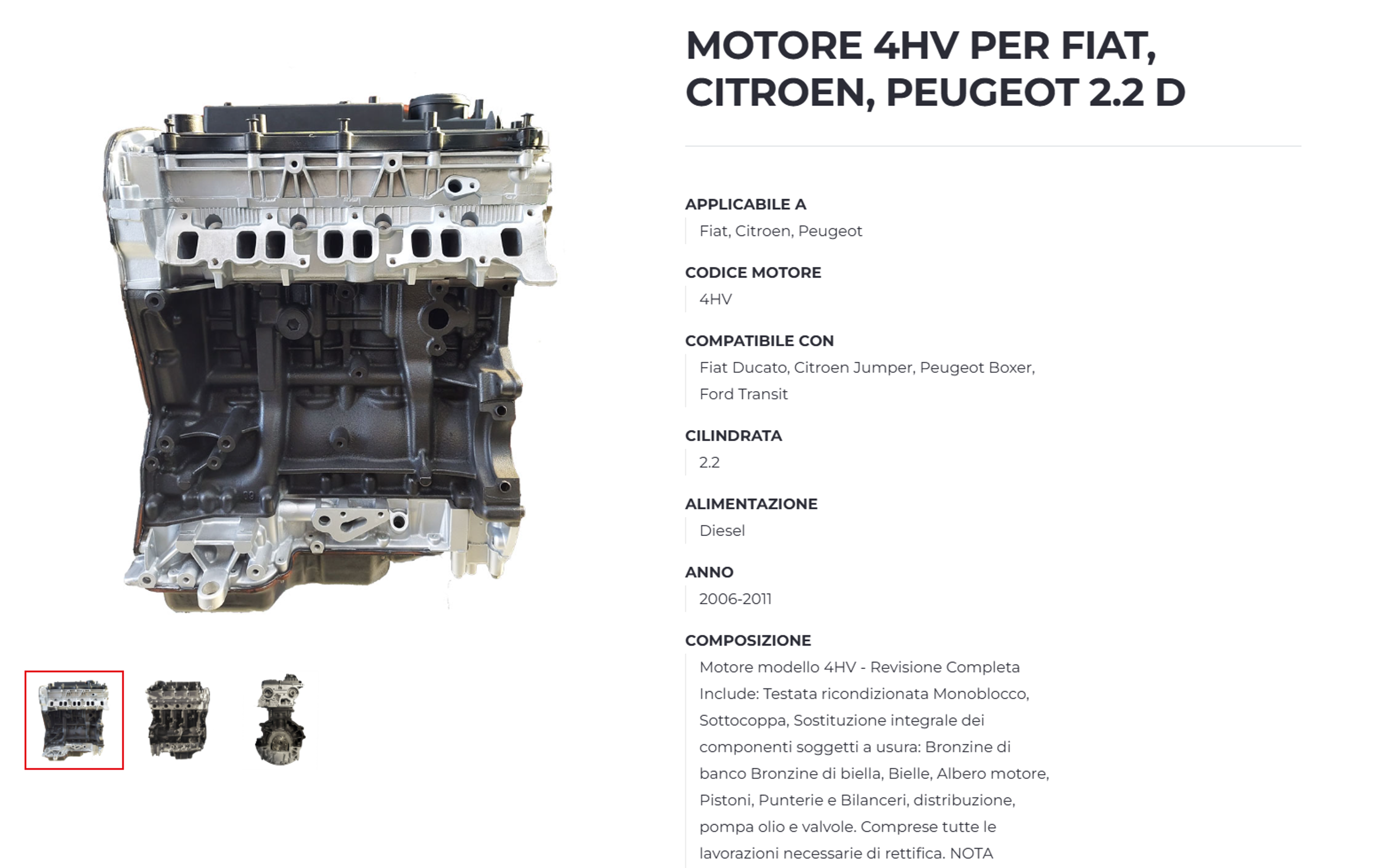
With Turbomotori the work was similar: product pages rebuilt around engine codes and compatibility, technical SEO and a multilingual ecommerce site. With the new shop, revenue grew 25% in one year. Those pages answer exactly what a workshop asks, which is also why they work for AI.
How I use AI for SEO and LLM visibility
My first test case is my own website. Every page targets a keyword chosen from search data, answers in its first lines and uses structured data to describe who I am. The site publishes an llms.txt file for AI assistants and notifies Bing every time something is published. Claude drafts and checks the content; I choose the right questions, verify the numbers and decide what goes live.
AI speeds up writing, translation and quality checks. It does not know which questions your customers ask or which numbers you can prove: that is still the job of someone who knows the market.
After 14 years in B2B marketing, much of it in manufacturing, my view is simple: the manufacturers that get cited will be the ones that put their technical expertise online, clearly and consistently. If you want to work out where to start with your site, let’s talk.