Energy digital twin for manufacturing: 39% lower energy cost in simulation
An energy digital twin for a manufacturing group with 7 plants: it decides when and where to produce, cutting energy cost by 39% in simulation.
- Year
- 2026
- Role
- Concept and AI-built development
- Client
- Concept · multi-plant manufacturing group
- Tools
- Claude Code · React
Human experience
Years in manufacturing taught me that part of the cost is decided before production starts: in the hour and the plant you choose. I set the rules the system can never break, from deadlines to quality, and made sure every number is computed, never staged.
AI
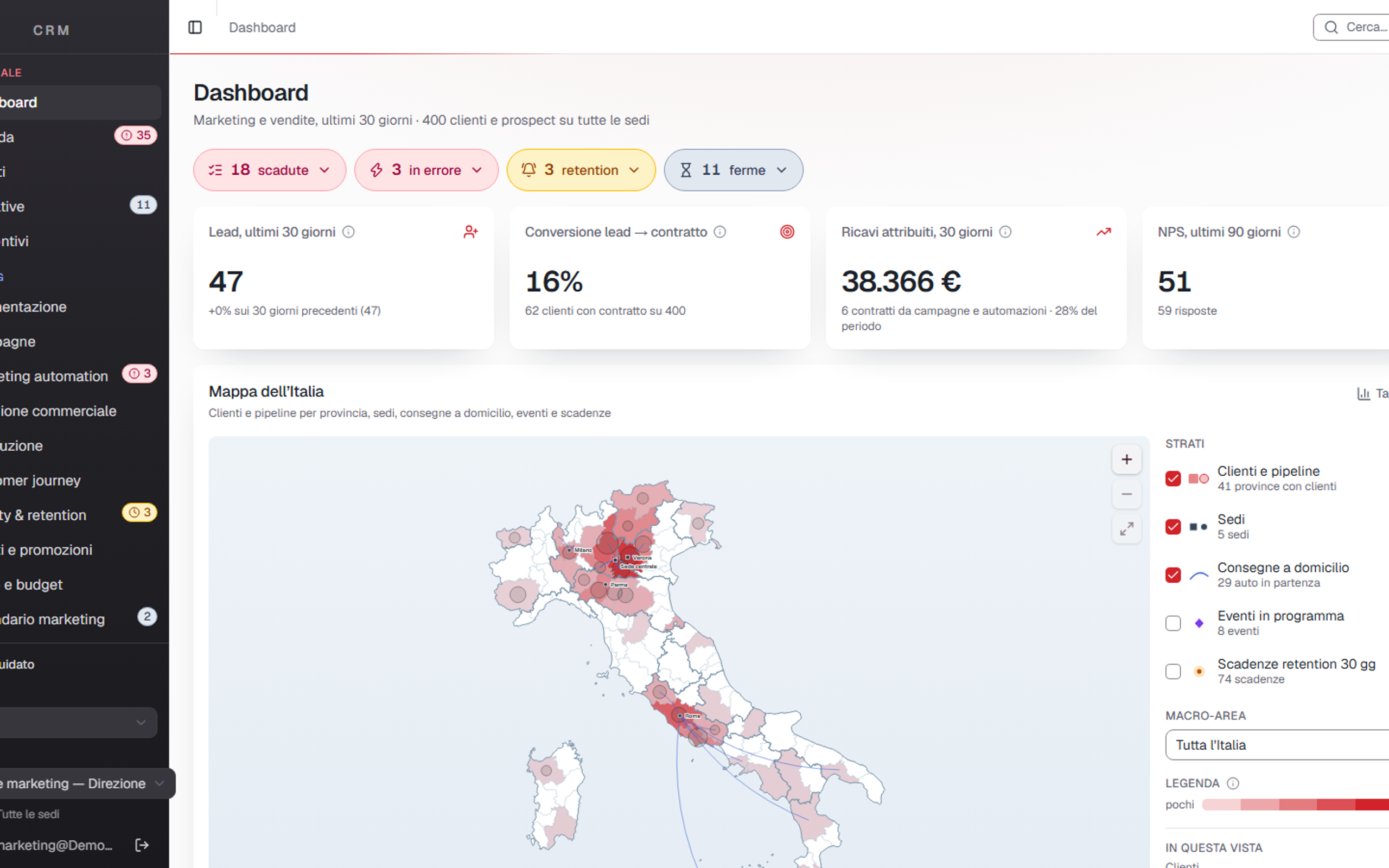
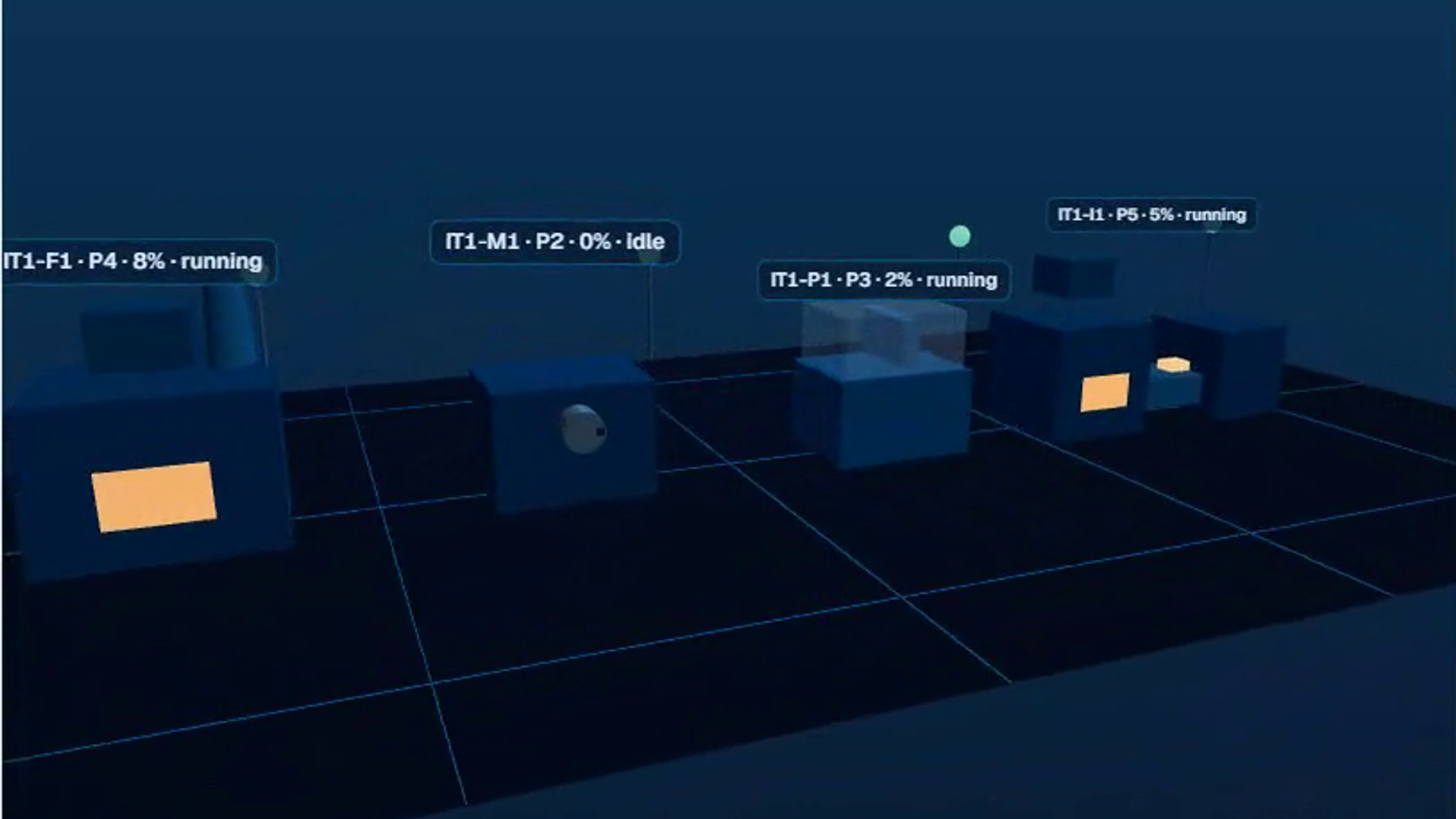
I built it with Claude Code as my development team: a simulation and optimisation engine in Python, a React interface with a map and a 3D digital twin, SAP file exchange and 115 automated tests. AI wrote the code; I set and checked the rules, the documented synthetic data and the tests.
Result
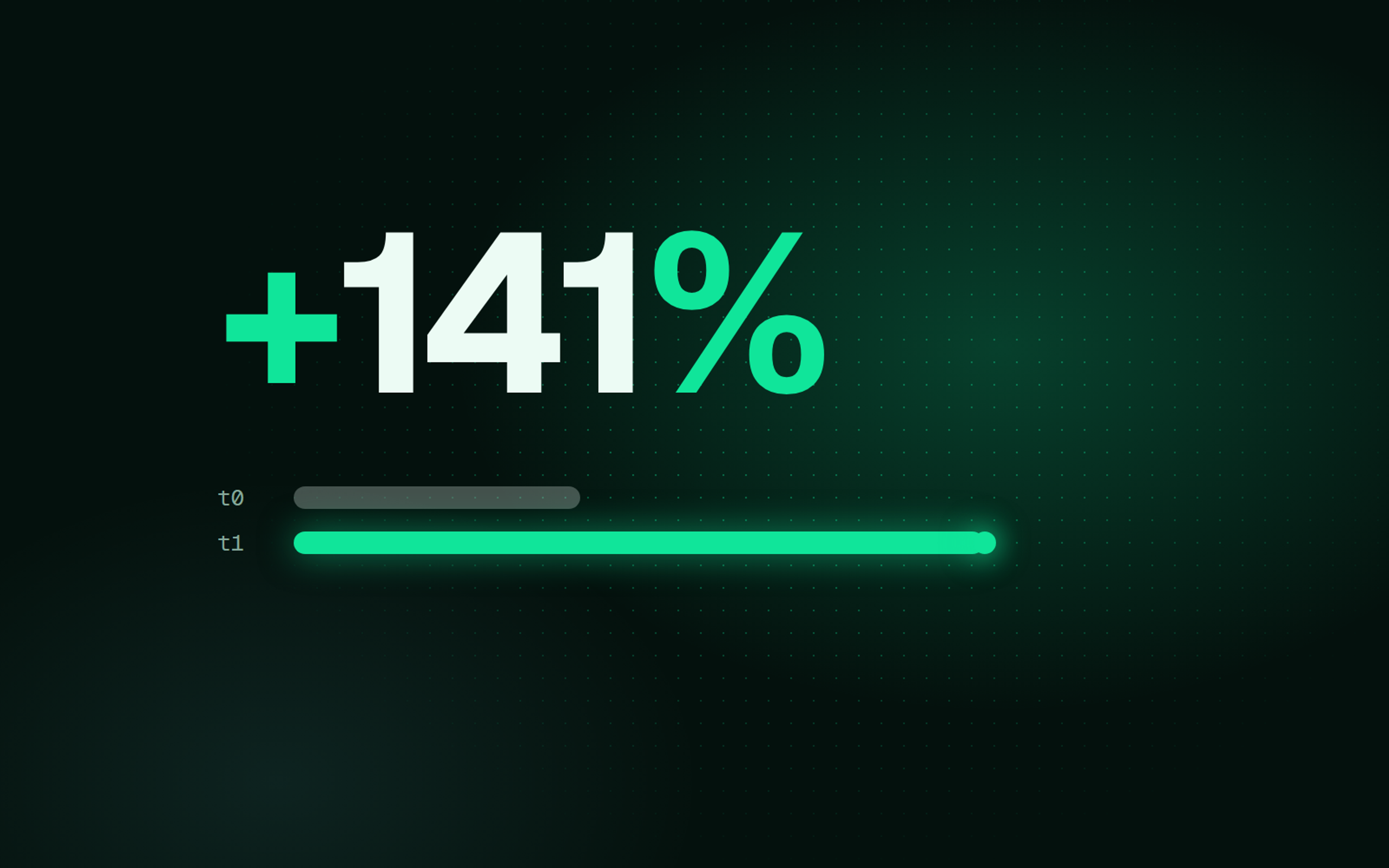
−39%energy cost vs MRP planning (simulation)
- 0
missed deadlines
- 7
plants simulated hour by hour
Context
In manufacturing, energy cost changes hour by hour and from one plant to another, yet traditional planning (MRP) produces as soon as it can, wherever it usually does. I built an energy digital twin of a manufacturing group with 7 plants in 5 countries, a concept of AI for manufacturing that shows management how much it is worth choosing well when and where to produce.
Goal
A ten-minute live demo for a non-technical audience: clear, credible, and with every number computed, never staged.
How the digital twin decides
Given a production order, the system simulates hour by hour zonal energy prices and Italian F1/F2/F3 bands, CO2 emissions, solar power, shifts, line capacity and logistics. It then compares the feasible plans with the traditional one and recommends whether to produce now, defer, move to another plant, split the order or not produce at all. Ten non-negotiable rules, such as deadlines and quality, always win over savings, and every recommendation needs human approval.
Practical AI for manufacturing companies
Every decision comes with an explanation, a confidence level and a comparison with the traditional plan. If the traditional plan is already the best one, the system says so instead of inventing a saving. It connects to SAP through file exchange and also works offline.
Results
In the simulated winter price-spike scenario, energy cost for the 8 orders produced falls by 39% compared with traditional planning, from €5,368 to €3,256, with no missed deadlines; a ninth order, with unconfirmed demand, is stopped. The system also shows the trade-off: moving production to where energy is cheaper raises the CO2 emissions of those orders by 16%. The data are documented synthetic estimates: the concept demonstrates the method, not a saving already measured on a factory floor.